

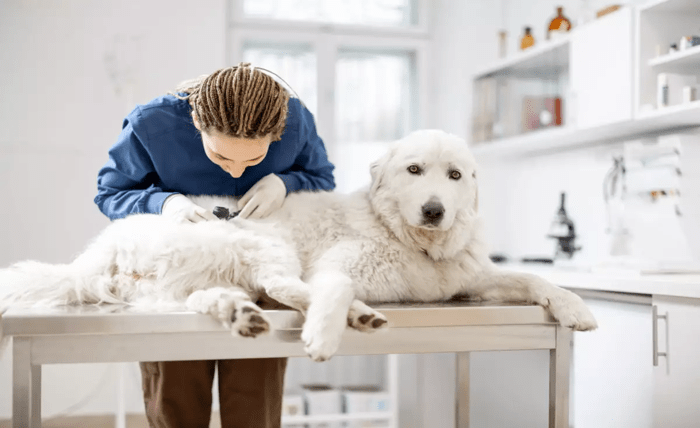
If you’ve ever noticed a sudden raw, red patch on your dog’s skin that seems to get worse by the hour, chances are you’ve encountered a hot spot. Also known as acute moist dermatitis, these inflamed areas can appear overnight, quickly becoming painful, itchy, and hard to ignore—for both you and your pet.
Knowing how to treat hot spots on dogs at home can help you act fast, relieve your dog’s discomfort, and prevent complications. In this guide, we’ll explore what hot spots are, why they occur, and the most effective ways to treat and prevent them, all while keeping your dog comfortable and happy.
What Are Hot Spots and Why They Happen
Hot spots are small areas of infected and inflammatory skin. They usually begin with your dog licking, chewing, or scratching a particular spot because of an itchy reaction, which could be brought on by an allergy, flea bite, or skin irritation. Because the skin barrier is compromised by this self-trauma, bacteria can enter and the lesion can rapidly progress.
Although hot spots can occur in any dog, the following conditions increase the risk:
- Bites from insects or fleas– Severe itching can be triggered by a single bite.
- Food or environmental allergies– Pollen, dust mites, and certain ingredients in dog food can set off skin reactions.
- Ear infections or anal gland issues– Discomfort in these areas often leads to excessive licking nearby.
- Excessive moisture– Wet fur from swimming, bathing, or rain can trap bacteria.
- Poor grooming or matted fur– Matted hair holds moisture and debris against the skin.
- Stress or boredom– Dogs sometimes groom obsessively when anxious.
Breeds with thick coats like Golden Retrievers, Labradors, and German Shepherds tend to be more prone, simply because their dense fur can hide moisture and early skin irritation.
Recognizing the Signs Early
Early detection is essential when it comes to how to treat hot spots on dogs at home. The sooner you intervene, the quicker your dog will feel better and the less likely the infection will spread.
Look for:
- Skin that is red, swollen, and heated to the touch.
- Moist or oozing lesions—sometimes with a yellowish crust.
- Hair lossaround the area.
- Persistent licking, chewing, or scratchingof one spot.
- Pain or sensitivitywhen the area is touched.
- Foul odorfrom the skin.
Hot spots can appear anywhere, but they’re most common on the head, neck, hips, and limbs.
How to Treat Hot Spots on Dogs at Home
Once you’ve spotted the problem, act quickly. Here’s a safe and effective process:
1. Clip the Fur Around the Area
Carefully trim hair away from the hot location using pet-safe clippers. This allows air to reach the skin and helps with cleaning. Be gentle—your dog may be sensitive or sore.
2. Clean the Wound
Use a mild antiseptic solution to gently cleanse the area. Avoid harsh products like hydrogen peroxide or alcohol, which can sting and damage healing tissue.
A soothing, skin-friendly shampoo can be helpful during this step. Puainta Banov Shampoo, made with plant-based ingredients like chamomile and rosemary, can help remove debris without irritating sensitive skin.
3. Apply a Topical Treatment
After cleaning, use an antimicrobial or anti-itch spray to calm inflammation and discourage bacterial growth. Puainta Quantum Silver Spray is a gentle, pH-balanced option that helps reduce redness, irritation, and the risk of infection while being safe for all animals.
4. Prevent Licking and Scratching
Your dog’s natural instinct is to tend to the spot by licking it—but this will only make things worse. An Elizabethan collar (cone) or inflatable recovery collar can prevent further damage.
5. Address the Underlying Cause
Cleaning the spot won’t stop it from coming back if you don’t tackle the root problem. This might mean starting a flea prevention plan, switching to hypoallergenic food, drying your dog thoroughly after swimming, or easing stress with more exercise and enrichment.
Most hot spots improve noticeably within 3–7 days if treated early.
Common Mistakes to Avoid in Home Treatment
Even when you know how to treat hot spots on dogs at home, there are pitfalls that can delay healing:
- Use human ointments or antiseptics –Which can slow recovery or be toxic to dogs.
- Over-washing the area– Too much moisture can worsen the problem.
- Ignoring the cause– Without addressing fleas, allergies, or anxiety, hot spots may recur.
- Waiting too long for a vet visit– If the lesion spreads rapidly or worsens, professional care is necessary.
Prevention Is the Best Medicine
Once your dog has had a hot spot, you’ll want to take extra steps to prevent another. Here’s how:
- Maintain regular groomingto get rid of loose hair, dirt, and mats.
- Dry your dog thoroughlyafter swimming or baths.
- Provide year-round flea and tick prevention.
- Feed a balanced dietwith omega fatty acids for skin health.
- Address boredom and anxietywith daily walks, mental stimulation, and bonding activities.
Regular use of gentle grooming products, such as Puainta herbal shampoos, can help keep the skin clean, reduce itching, and lower the risk of irritation.
When to See a Vet
While many hot spots respond well to home care, there are times when professional help is necessary:
- The hot spot is large, spreading, or worsening within 24–48 hours.
- Your dog is in significant pain or distress.
- You observe symptoms like fever, fatigue, or appetite loss that indicate a systemic illness.
- Hot spots keep coming back despite your prevention efforts.
In these cases, your vet may recommend oral antibiotics, prescription anti-inflammatories, or allergy testing to address deeper issues.
Final Thoughts
Being knowledgeable about how to treat hot spots on dogs at home empowers you to act quickly, making your dog more comfortable and preventing minor irritations from turning into bigger problems. The key is early detection, gentle but effective cleaning, and tackling the underlying cause—whether that’s fleas, allergies, or environmental factors.
While home care plays a large role, don’t hesitate to seek veterinary help if you’re unsure or if your dog’s condition doesn’t improve quickly.
By combining prevention habits with the right care tools—like Puainta’s soothing shampoos and Quantum Silver Spray—you can keep your dog’s skin healthy, itch-free, and far away from hot spots.